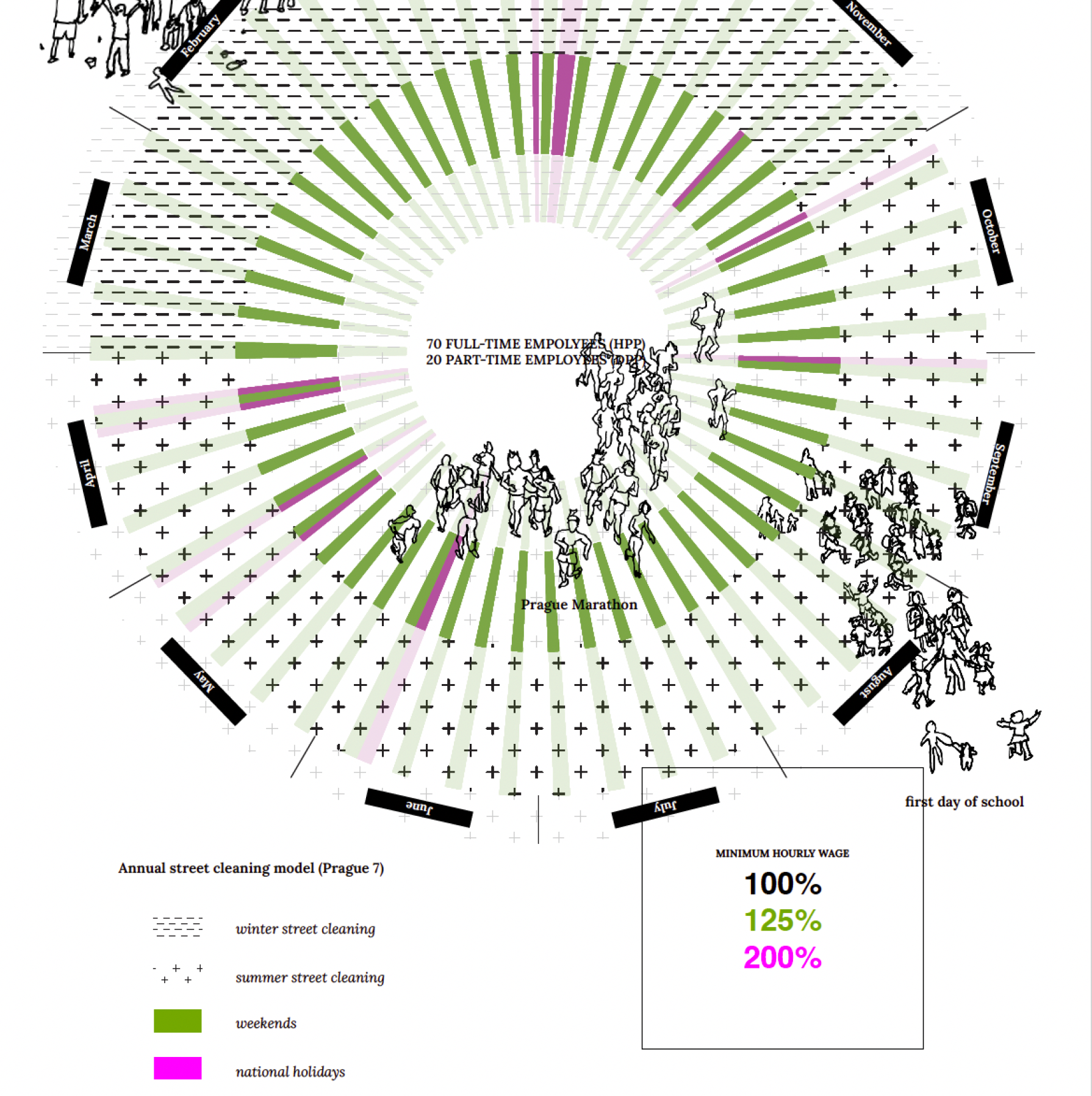
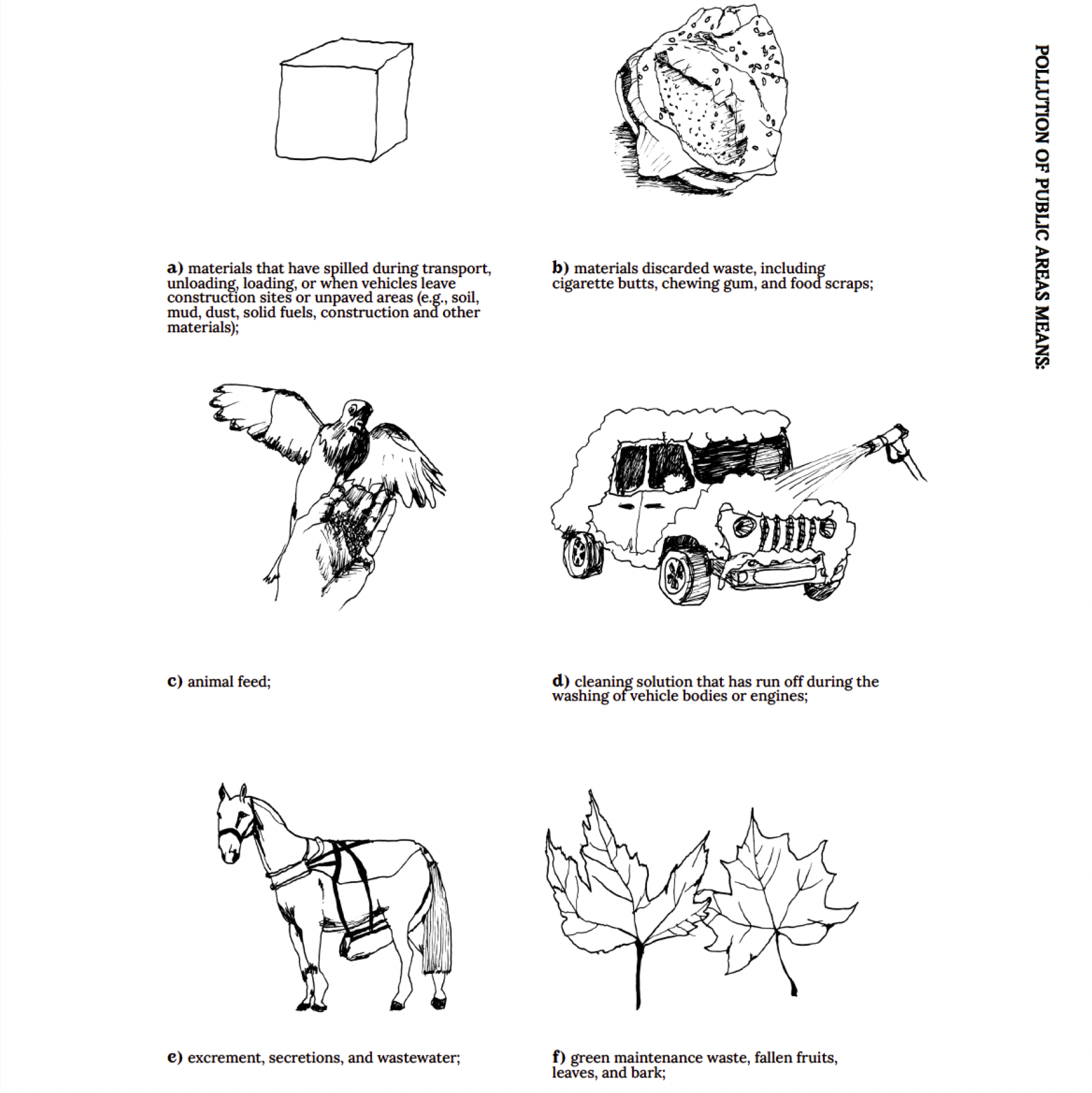
The thesis examines the integration of maintenance as a constitutive component of architectural design in public space. Historical analysis shows that since the mid-19th century, the care of the city was institutionalized and shifted from users to organized groups of workers, leading to the separation of individual responsibility and the temporal displacement of maintenance outside the main daily rhythm of cities. The modernist focus on measurable function and architectural representation reinforced the perception of architecture as a finished, iconic object, while the processes of wear and upkeep were marginalized. The current legislative framework in the Czech Republic demonstrates that the legal definition of cleanliness in public space can serve as a tool of power, restricting access for certain groups of residents. The thesis emphasizes the importance of maintenance not only as an operational necessity but also as a creative and culturally valuable process essential for the long‑term functionality and true democratic quality of public space. Based on a synthesis of historical, theoretical, and legislative insights, the thesis proposes strategies for architectural practice that reflect the everyday routines of space usage and promote socially inclusive and sustainable design.
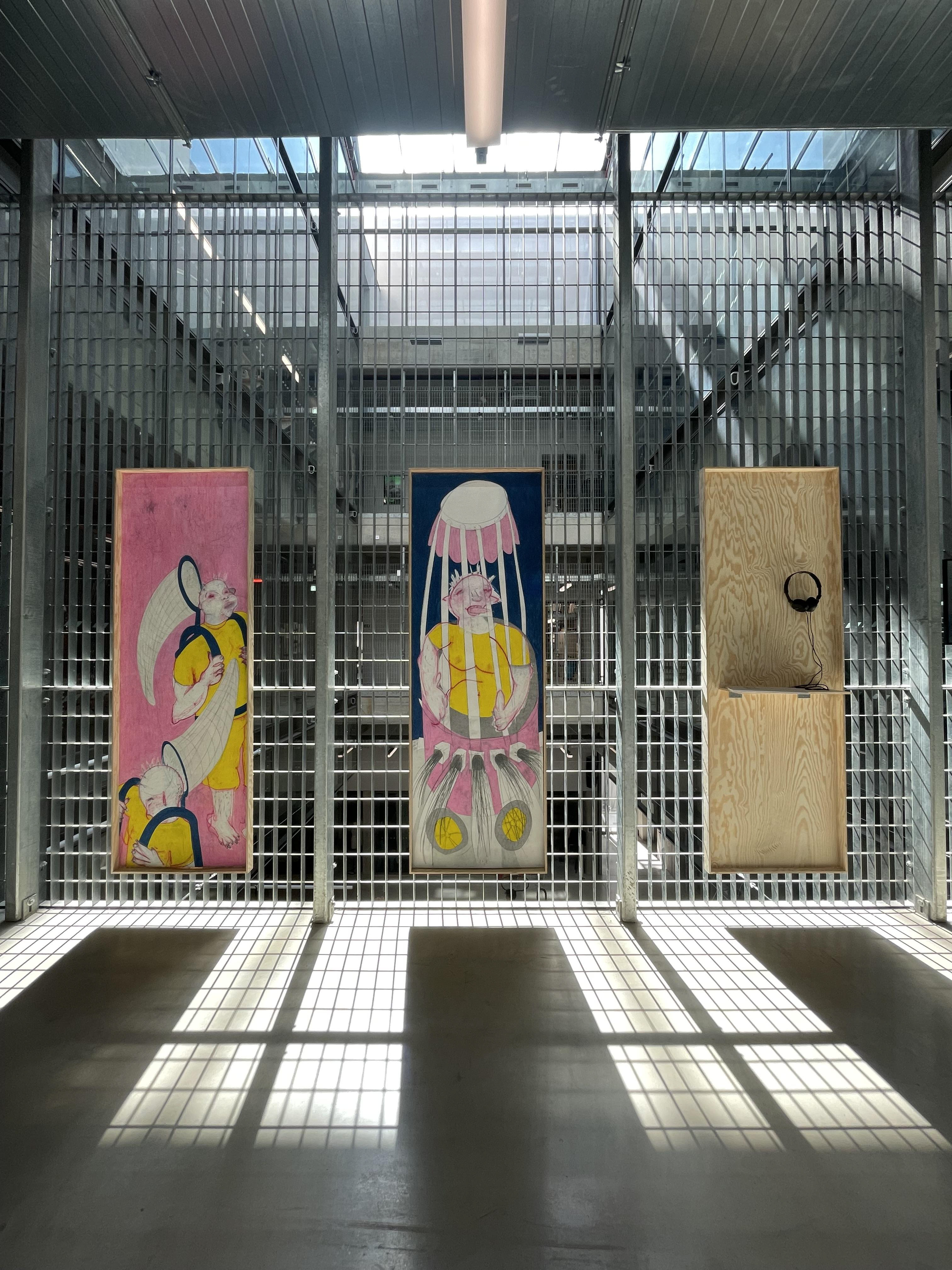
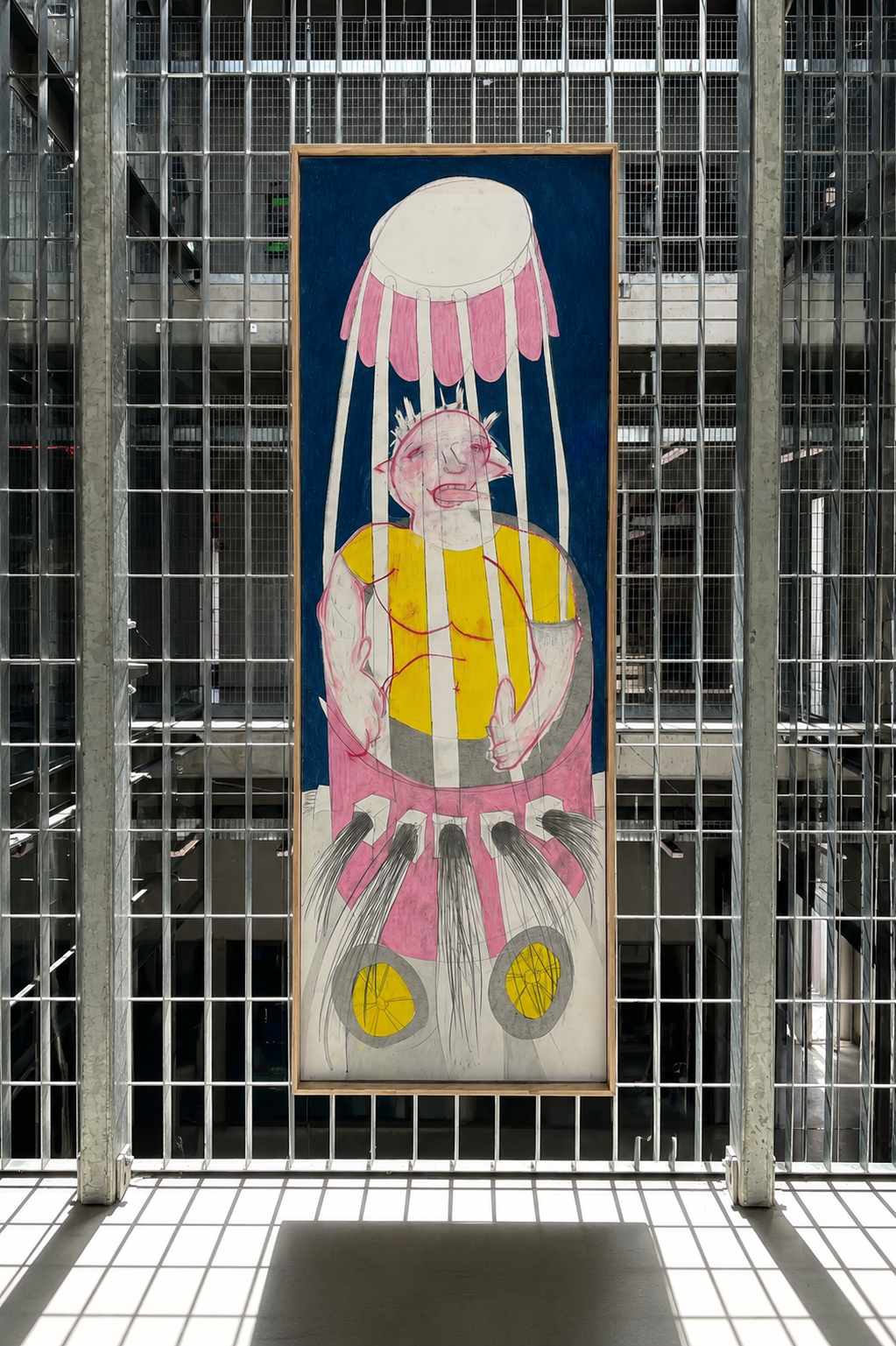
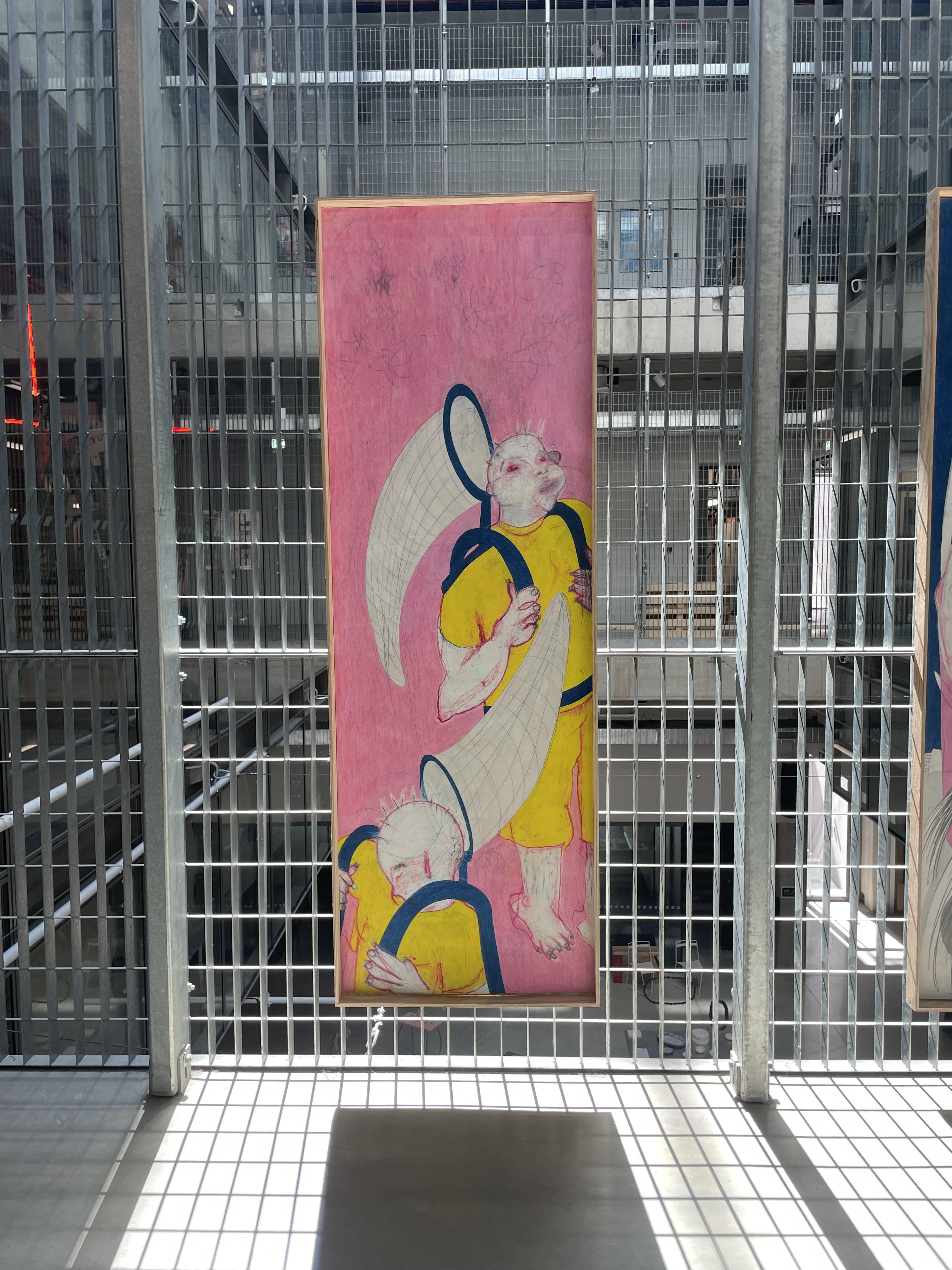
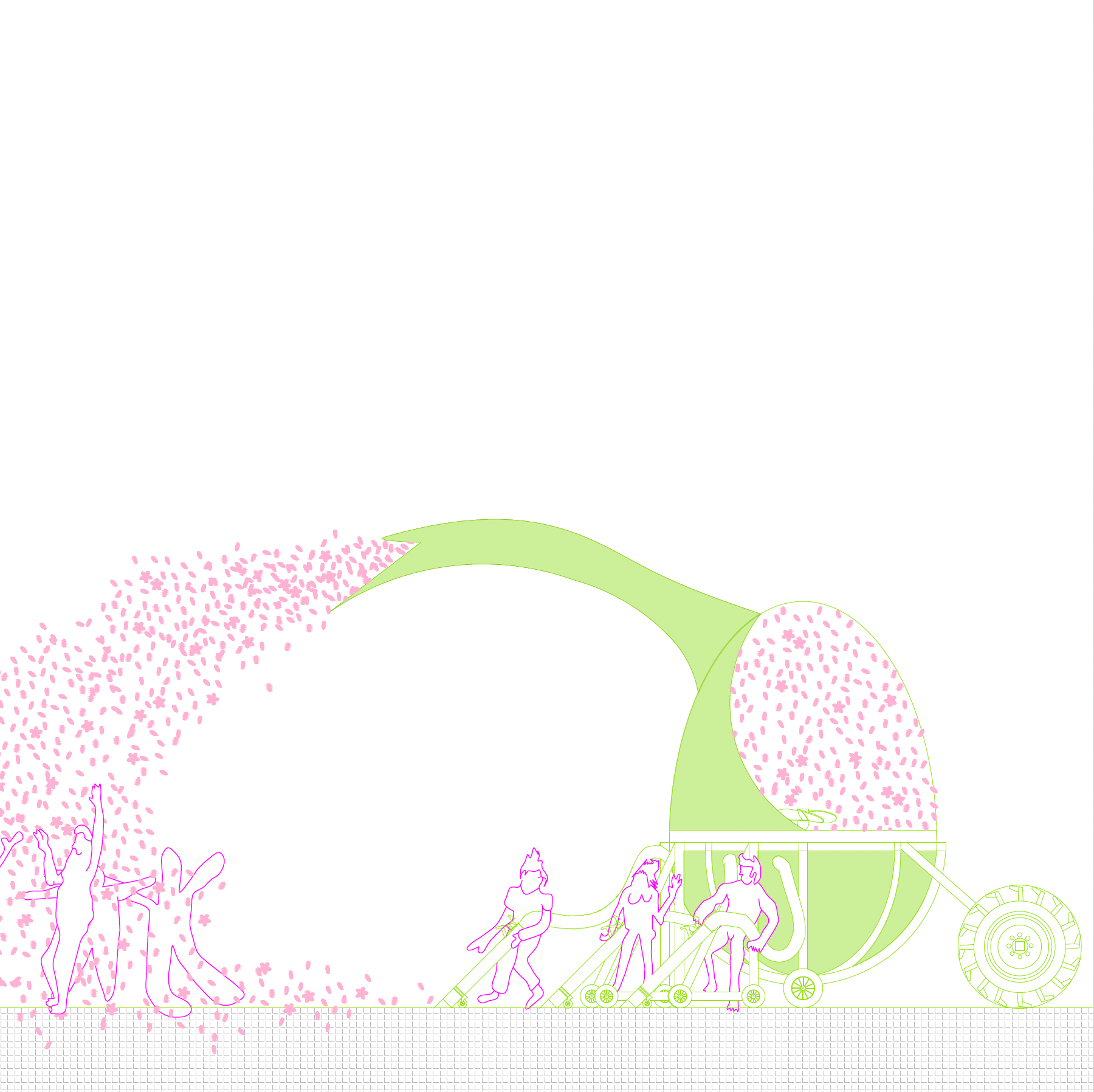
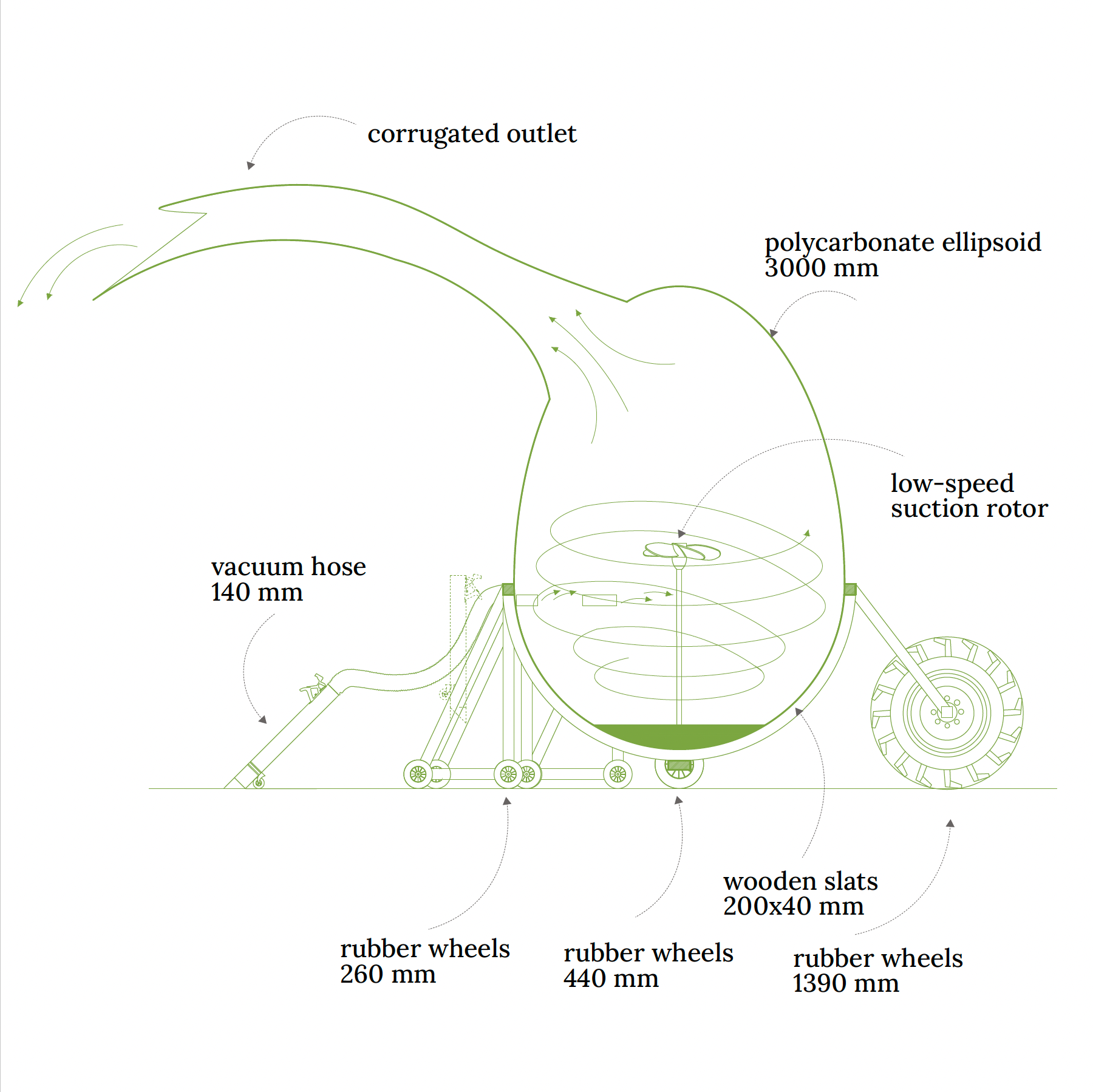
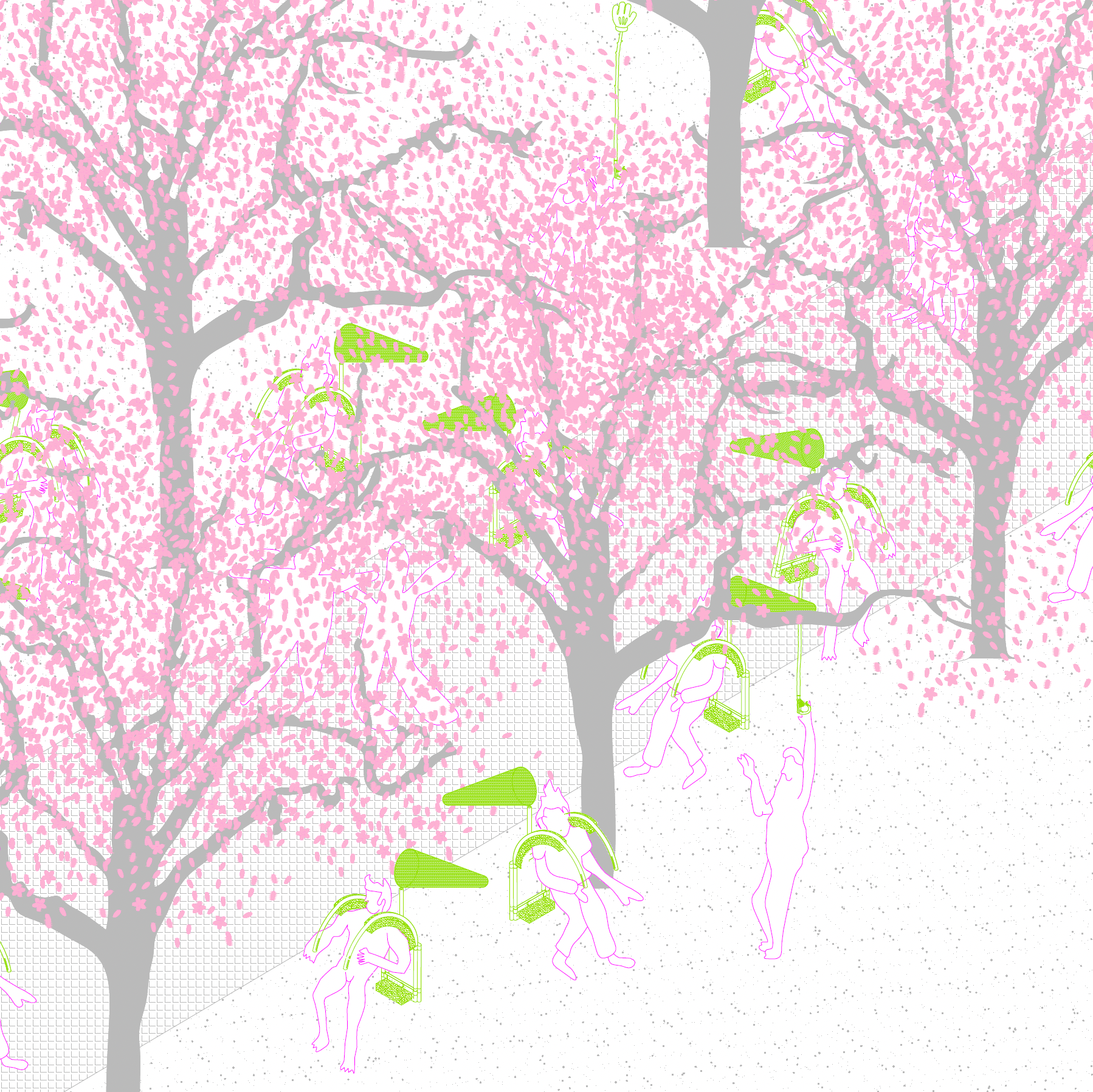
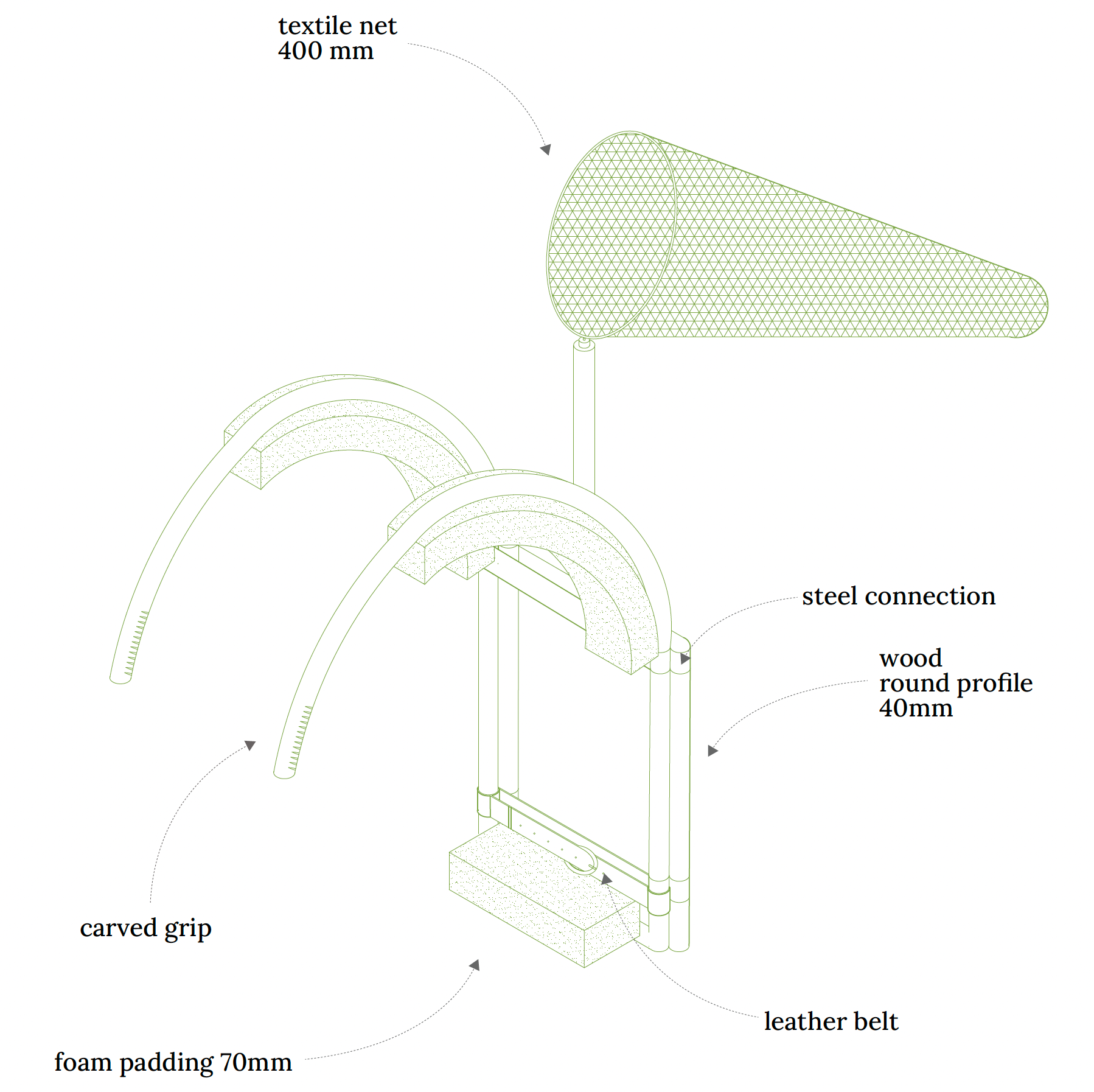
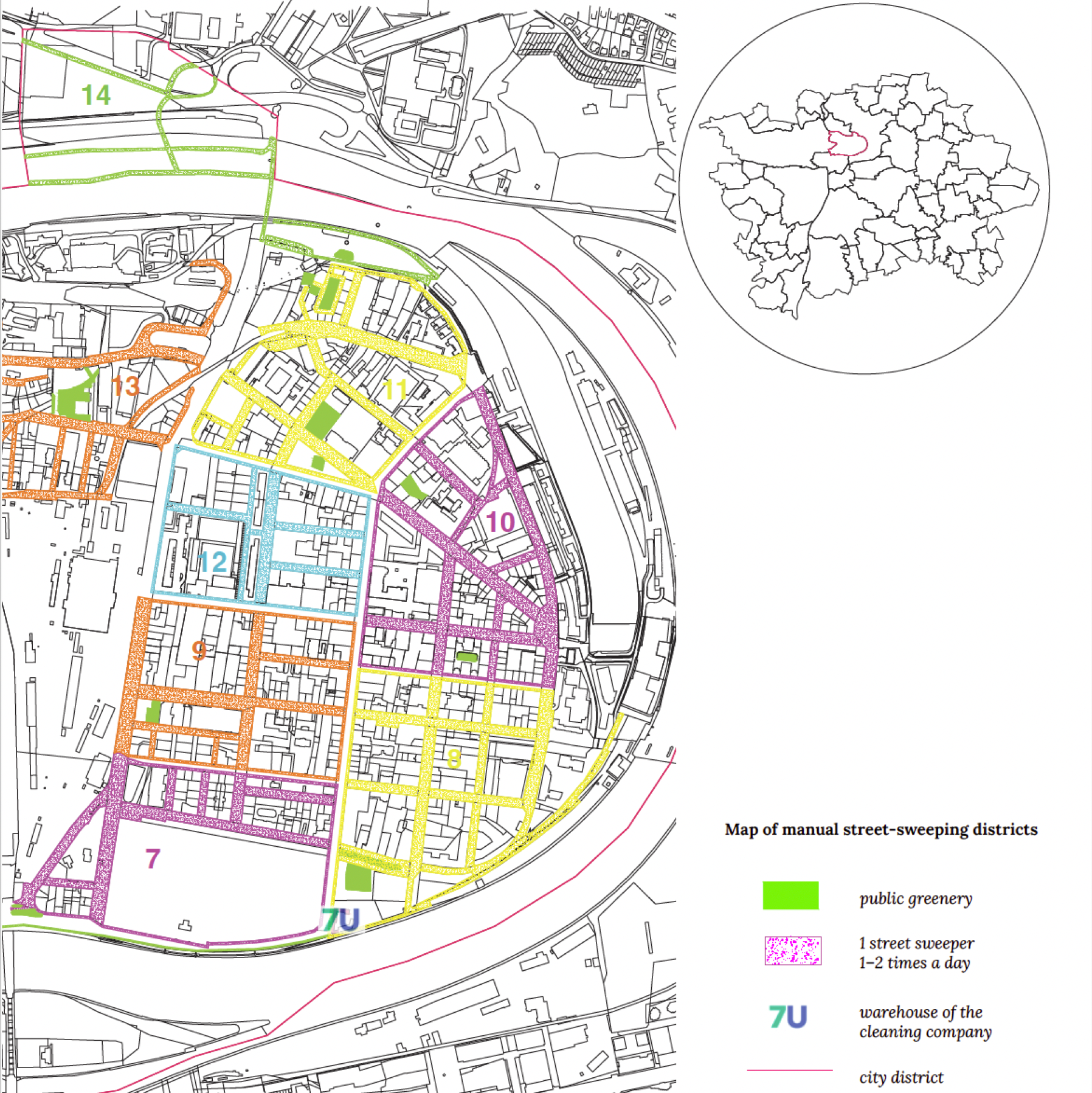
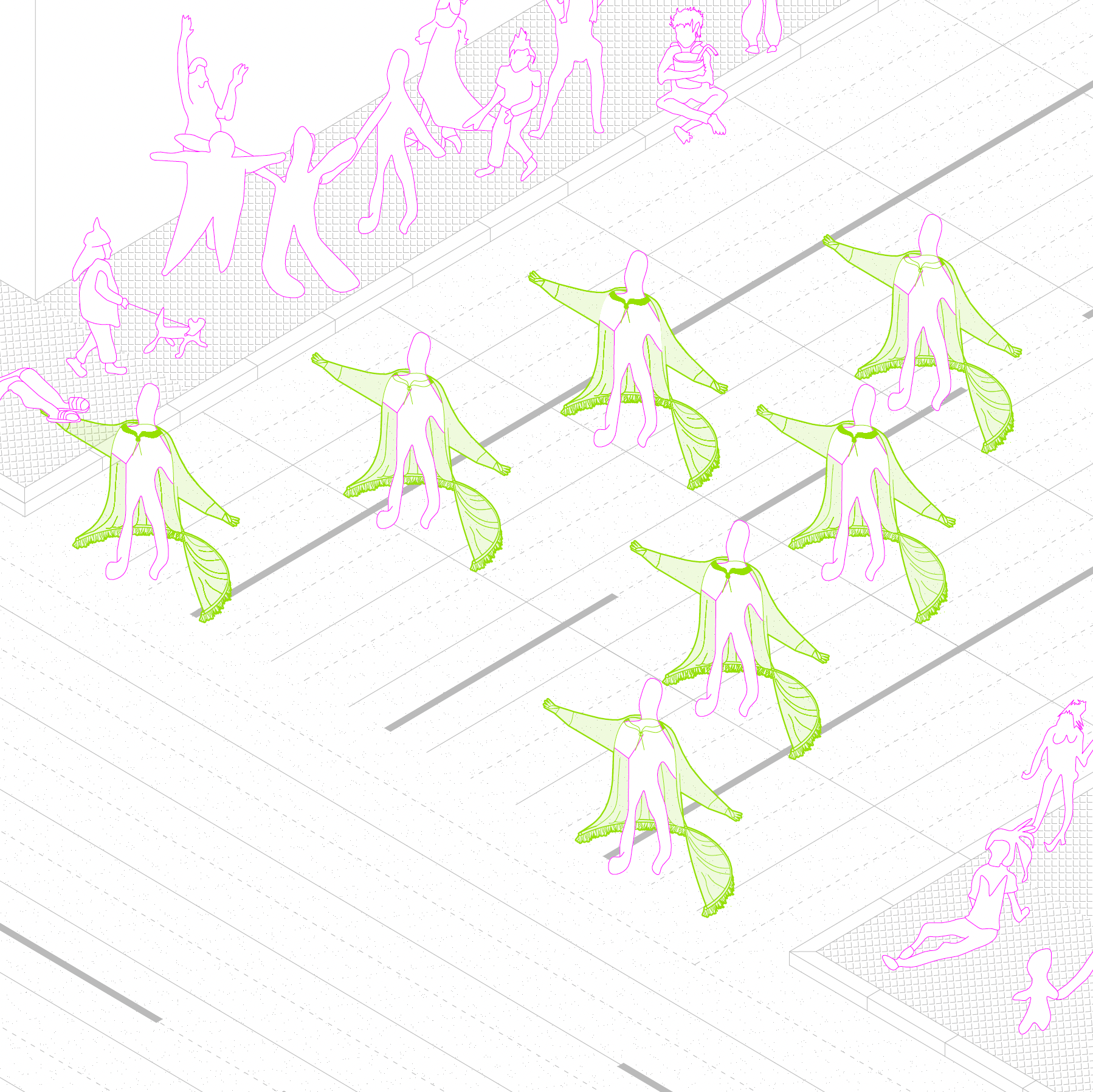
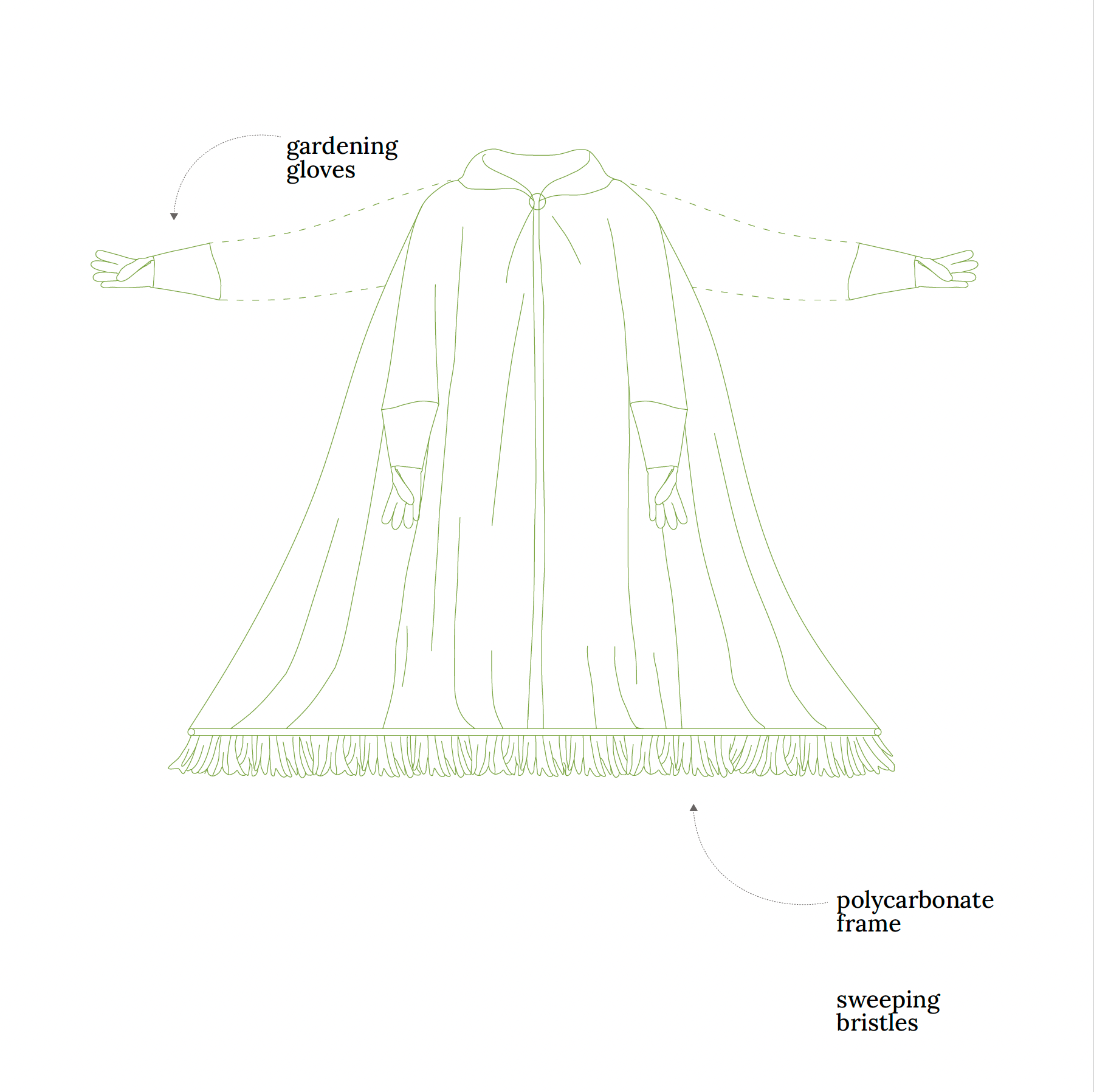
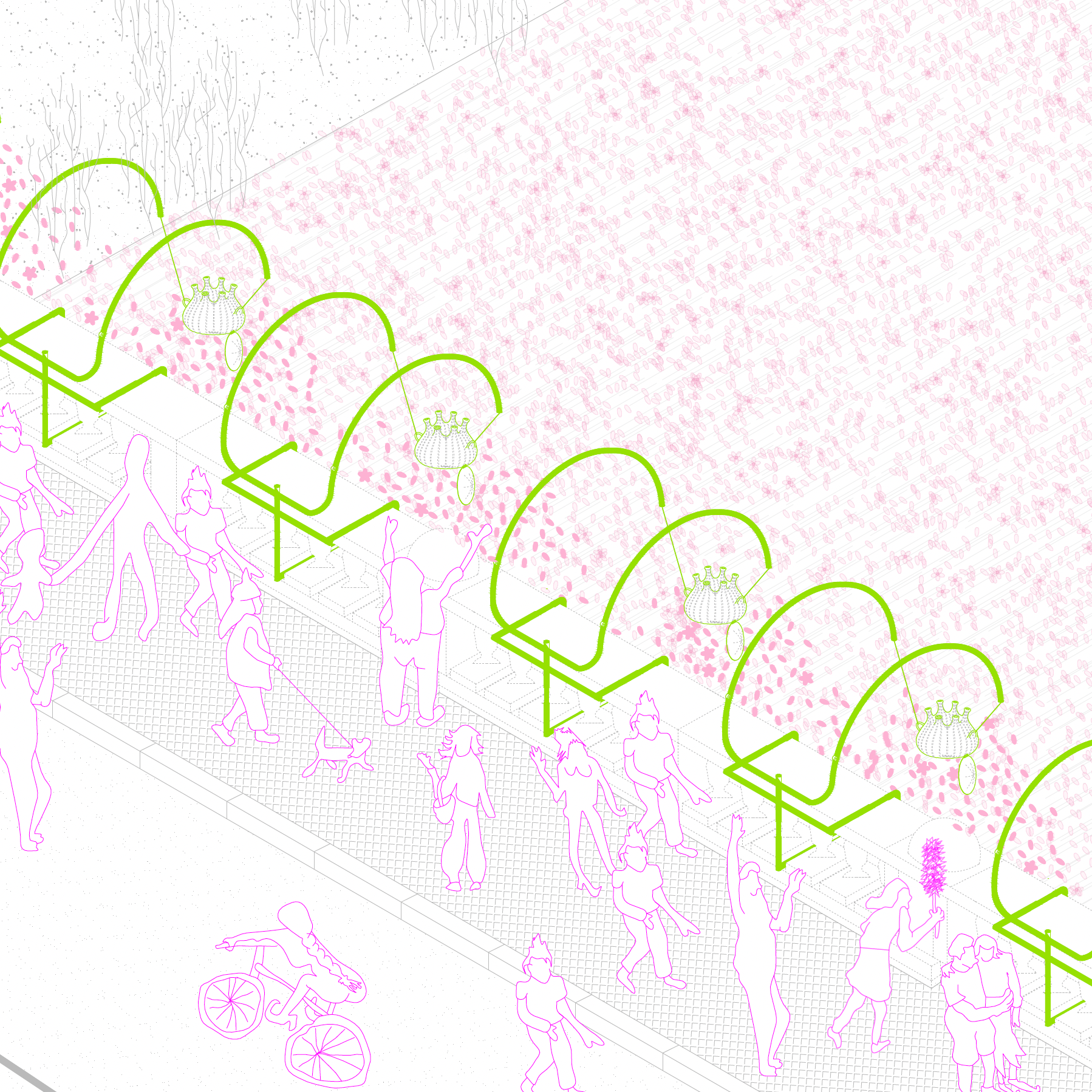
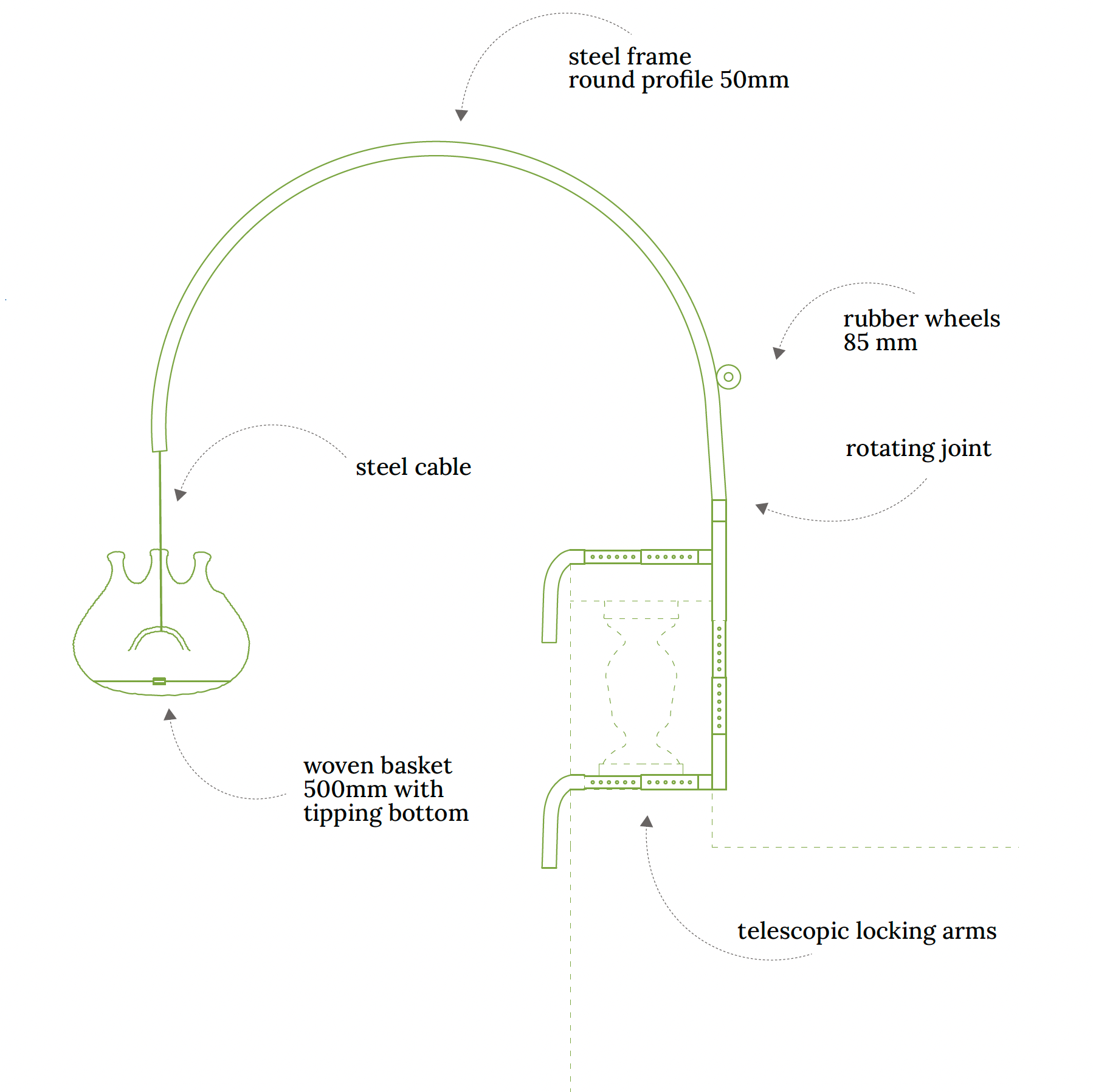
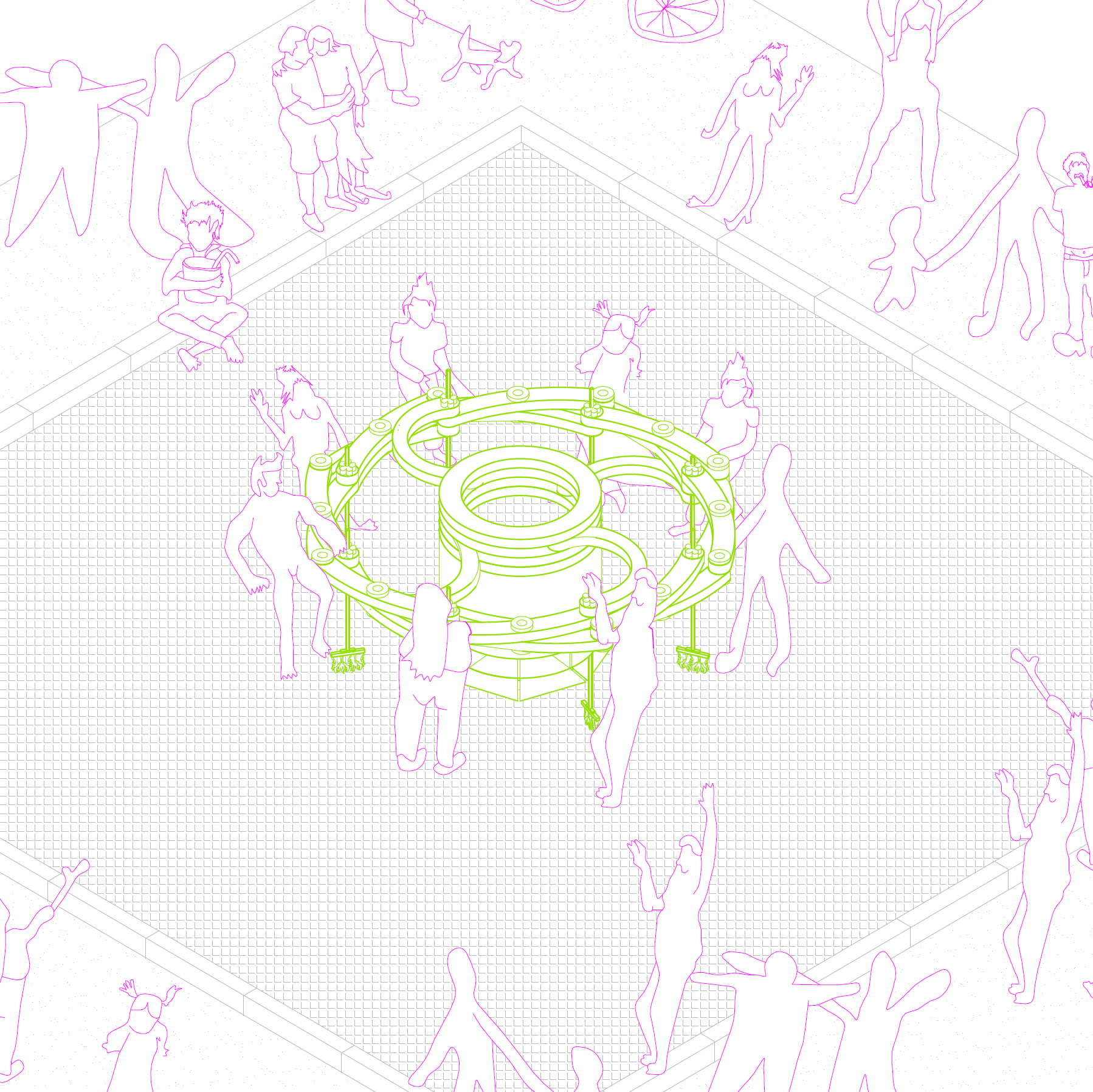
The practical part of the thesis is a speculative proposal called Flower Petal Parade. It reimagines the maintenance of public space as a collective celebration rather than a purely technical task. The project consists of a one-day spring parade in Prague, a Flower Petal Sisters song and a series of mobile interventions that invite maintenance workers, residents, and visitors to collaboratively collect flower petals. Through deliberately playful and inefficient mechanisms, the proposal questions contemporary demands for low-maintenance public spaces and highlights maintenance as a social, cultural, and performative activity.